Showing posts with label novel writer. Show all posts
Showing posts with label novel writer. Show all posts
Sunday, December 15, 2013

Sunday, October 27, 2013
Novelist Eric Bogosian: Advice
Uploaded on Jul 29, 2009
Eric has some advice to share with budding novelists.
I hope you emjpy!
Kateri
Saturday, October 26, 2013
Maeve Binchy— Tips for aspiring writers

Uploaded on Mar 8, 2010
Maeve Binchy, author of "Heart and Soul", gives good advice and wisdom on getting your book published.

Kateri
Wednesday, October 23, 2013
Ian McEwan's Advice for Aspiring Writers
Uploaded on Apr 18, 2011
Ian McEwan, author of 'Solar' gives advice for aspiring writers.
I hope you enjoy!
Kateri
Monday, October 21, 2013
Is Writers Block in the Way of Creating Your Novel? Top Tips to Push Past Writers Block
 If you have been staring at a blank screen, with the next American best seller right there on the tip of your fingers and yet you cannot figure out how to bring it out, you might have writers block. Do not panic, all writers experience writers block at some point in their careers and most writers experience it frequently. Try any or all of these top ten tips for pushing past writers block and figure out the best way to get your novel done.
1. Stay Focused-Eliminate Distractions,
Are you spending more time on Twitter, Face book, MySpace, or checking your e-mail than writing your novel? What about watching television or flipping through radio stations? While some writers find that it is easier to write with the music playing in the background if you are spending more time flipping stations trying to find the right mood music try turning off the radio, turning off the distractions and focus on the writing. If you spend a great deal of time using social media you might need to turn off your computer and write long hand for awhile just to get focused and eliminate these distractions from your life.
2. Set reasonable Goals
Think about your writing goals, if you want to get your first novel finished in a year then you are going to want set some reasonable goals for getting your novel finished. You can start by setting a word count goal. NANOWRIMO is a famous writing contest that takes place in November and offers writers a chance to write 50,000 words in 30 days. In order to do this the website offers up tips on how many words a day you will need to meet your goals. You can also set page goals, to figure out how finish your novel in a year. Just remember that these goals need to be reasonable. With the right idea, NANOWRIMO proves that anyone can write 50,000 words in thirty days, so keep your goals reasonable and you will be able to achieve them.
3. Take a break
If you are sitting there staring at the blank screen get up, walk around. Take a long walk, or bike ride. Take a shower, eat a snack. You aren't procrastinating as much as you are clearing your head. Once your mind is clear go back to the screen and see what you can come up with. If you've already started your novel you might find with a clear head that the ideas flow more easily and you can pick up that thread. So take a break, and get away from your project for awhile, just don't forget to come back to it.
4. Start a New project
It's okay to start something new. If you are having writers block with your current project start a new one. Maybe write out an outline for a new novel, write a short story or article. Anything to get your mind off of your current project, then when the new ideas come in for the novel that you are feeling the writer's block with, write them down and finish up your project before you go back. You might find that is all it takes to restart the battery and get back on track for finishing your novel.
5. Do some research
Another reason that you might be facing writers block is that you simply do not know enough about the topic you are writing about. While it is common for someone to procrastinate by doing too much research if you have started the novel and suddenly feel stumped ask yourself if you know enough about the topic you've chosen, or if that could be the problem. Do some more research, re-read through your notes, or dig a little bit deeper and see what else you can find out. If you feel confident about your topic it will be easier to write about it and you will be less likely to experience writers block.
6. Brainstorm
Try brainstorming new ideas or new avenues to explore your current idea. If you are writing a thriller brainstorm different roads to take, all novels, whether they are thrillers, romantic comedies, chick lit, have to have conflict in order to work, so brainstorm different conflicts, or what the story would be like without a character. Maybe your main character gains a new friend, or lover, no matter what you can brainstorm different scenario's and while they might never make it to print this action can help you break through the writer's block and get back on track.
7. Interview your character
Maybe you have an outline, maybe you don't. Either way sit down one on one with your character and ask them some questions. Write down a list of things that you think your readers will want to know about the character and then ask away. Pretend they are right there in the room with you, and hold on a conversation. Pretend you are a famous news anchor grilling your character on live television, and ask them all kinds of personal questions. You might be surprised what you learn from this character and how it will affect the overall story. Write it all down to, the questions the answers, and specifically who the character is so that if you decide to interview another character in the same story, or even another character somewhere down the line you can do so without having to worry about what to ask.
8. Read something new
Reading can help you break through writers block, whether you read a magazine article, blog, website, or novel. No matter what you read it can help you get back on track with your own writing. It might bring up questions that you can explore with your writing, offer suggestions, or just get you to relax enough that the ideas start flowing again. No matter what, all of the experts agree that reading is one of the best ways to overcome writers block, so find something to read, even if you are re-reading your own work looking for new inspiration.
9. Discuss your ideas with friends and colleagues
If you have friends and colleagues that like to write discussing your ideas with them can help you brainstorm. If your friends don't like to write chances are they will still like to read and so talking with them about your ideas can also generate new ideas and get you unblocked. The only people you do not want to talk to are the negative ones, if someone tells you that you cannot write, or cannot make a story idea work then don't talk to them about it. Avoiding negativity is very important when it comes to pushing through writers block. So talk to people who are positive, and who will offer up solid good advice and avoid people who aren't.
10. Try some simple exercises
Whether you are doing mind exercises or physical exercises, doing simple exercises can relax you and get you back on track. So get up stretch your body, go through some simple physical exercise that will get you limbered up and feeling more alert, and then do the same thing with your mind. Play around with brain teasers, and mind exercises. Read through some spelling exercises, exercise your brain and your body, and you will find the writer's block literally melting away.
While not all of these tips work on everyone, at least one of them should work for you. If not spend some time thinking about ways that do work, then write them down and post the tips somewhere near your computer so that whenever you experience writers block you will know how to get through it. Remember the most important thing of all is that every single writer, whether they are famous or not, has been right where you are now, and
it is so important to not give up.
Article Source: http://EzineArticles.com/7019474
10 Tips to Get Your Ideas on Paper!
When you are writing your book, article, newsletter or even a business letter, it helps to know that even professional writers struggle with the blank page.

1. Write down all the thoughts and concepts that come to mind on this particular topic, chapter or newsletter quickly in longhand. You may have a vague conception of how you want people to feel or the action you want them to take at the end. Write those down too. This is important because sometimes we tend to focus in on one aspect when we start writing and our other concepts and feelings may float out the window. Some people like to meditate for a few minutes before writing because it opens the space for our "other than rational mind" to have a say, other people find mind mapping helpful because it spurs ideas and makes connections.
2. Remember the goal is to bat out an imperfect first draft. This takes the pressure off you. In that draft, you'll get to see where your mind is taking you. It may discover a different conclusion, a wonderful illustrative story, or a more nuanced, profound summing up than you had anticipated in the idea stage. This is the magic of letting your imagination go and being in the free-form first draft stage where nothing is set in stone, nothing is final.
3. When you finish your first draft, read it over, make any changes or corrections to the document and print it out.
4. Take a break, even for five to 10 minutes. Get away from the computer. Go for a short walk, clear your mind, have a cup of tea or coffee, or do some other small, mindless tasks.
5. Now read over your printed copy. Double spacing may help. This is important because there is a definite difference between reading on the screen and reading on paper. A good editor knows this and even as we love the Track Changes feature in Word, pacing, cadence and the way words flow together are best judged on the printed page.
6. If you have a red pen, this will help you feel more professional and also spot your changes later. Make corrections and add in longhand to what you've already written if you want to expand a certain area. Conversely, tighten it up. Is there a more succinct or clearer way to express something? An image or phrase that gives an instant visual? Do you tend to use the same word often? Look for synonyms that can replace those words.
7. When appropriate, put some of YOU in there. This does not mean, "I think... " we know you think that because you are writing it. But feelings are connectors. For example, if you are enumerating contest rules, you may explain you didn't want to use a certain rule but it makes things fair, or that you don't like rules but everyone needs to be on the same page and be able to communicate. This makes you and your darn rule-making more palatable and human.
8. Now put your corrections in the document and print it out again.
 9. Look it over one more time for any mistakes and tweaks. Some writers read their work aloud. This also helps with rhythm and flow.
10. Congratulate yourself for a job well done and write down your ideas for the next chapter... or press the SEND button!
 Rosemary Sneeringer is The Book Nurturer. An experienced editor, ghostwriter and copywriter, she specializes in helping writers access their inner author. Rosemary works with many entrepreneurs to complete their self-help, health and business books. She also specializes in memoirs and assisting people with their personal story for their website, marketing materials and speeches. Go to http://www.rosemaryswriting.com
http://facebook.com/thebooknurturer
310-909-3988
Sign up for my FREE Newsletter & receive my FREE Gift
Article Source: http://EzineArticles.com/?expert=Rosemary_Sneeringer
Article Source: http://EzineArticles.com/8066126

Here are some tips to help you when you feel tired, stuck or out of ideas:
1. Write down all the thoughts and concepts that come to mind on this particular topic, chapter or newsletter quickly in longhand. You may have a vague conception of how you want people to feel or the action you want them to take at the end. Write those down too. This is important because sometimes we tend to focus in on one aspect when we start writing and our other concepts and feelings may float out the window. Some people like to meditate for a few minutes before writing because it opens the space for our "other than rational mind" to have a say, other people find mind mapping helpful because it spurs ideas and makes connections.
2. Remember the goal is to bat out an imperfect first draft. This takes the pressure off you. In that draft, you'll get to see where your mind is taking you. It may discover a different conclusion, a wonderful illustrative story, or a more nuanced, profound summing up than you had anticipated in the idea stage. This is the magic of letting your imagination go and being in the free-form first draft stage where nothing is set in stone, nothing is final.
3. When you finish your first draft, read it over, make any changes or corrections to the document and print it out.
4. Take a break, even for five to 10 minutes. Get away from the computer. Go for a short walk, clear your mind, have a cup of tea or coffee, or do some other small, mindless tasks.
5. Now read over your printed copy. Double spacing may help. This is important because there is a definite difference between reading on the screen and reading on paper. A good editor knows this and even as we love the Track Changes feature in Word, pacing, cadence and the way words flow together are best judged on the printed page.
6. If you have a red pen, this will help you feel more professional and also spot your changes later. Make corrections and add in longhand to what you've already written if you want to expand a certain area. Conversely, tighten it up. Is there a more succinct or clearer way to express something? An image or phrase that gives an instant visual? Do you tend to use the same word often? Look for synonyms that can replace those words.
7. When appropriate, put some of YOU in there. This does not mean, "I think... " we know you think that because you are writing it. But feelings are connectors. For example, if you are enumerating contest rules, you may explain you didn't want to use a certain rule but it makes things fair, or that you don't like rules but everyone needs to be on the same page and be able to communicate. This makes you and your darn rule-making more palatable and human.
8. Now put your corrections in the document and print it out again.
9. Look it over one more time for any mistakes and tweaks. Some writers read their work aloud. This also helps with rhythm and flow.10. Congratulate yourself for a job well done and write down your ideas for the next chapter... or press the SEND button!
 Rosemary Sneeringer is The Book Nurturer. An experienced editor, ghostwriter and copywriter, she specializes in helping writers access their inner author. Rosemary works with many entrepreneurs to complete their self-help, health and business books. She also specializes in memoirs and assisting people with their personal story for their website, marketing materials and speeches. Go to http://www.rosemaryswriting.com
http://facebook.com/thebooknurturer
310-909-3988
Sign up for my FREE Newsletter & receive my FREE Gift
Article Source: http://EzineArticles.com/8066126

Sunday, October 20, 2013
Microsoft 360 For Writers
Updates for Microsoft Office 2013? Can it be true?
Yes! My husband and I have Microsoft Office 360 and love it! For $99 a year we get to load Office 2013 on 5 of our computers (one of them is a Mac.)
You will need a good internet connection for the updates, and for awhile you will have a bunch. But this is definitely worth the wait! As a writer I think it is important to have the latest version of my writing program.
Check it out!

Have you tried it? Tell me what you think!
Kateri
|
| I sponsor this ad. |
You will need a good internet connection for the updates, and for awhile you will have a bunch. But this is definitely worth the wait! As a writer I think it is important to have the latest version of my writing program.
Check it out!
Have you tried it? Tell me what you think!
Kateri
Friday, October 18, 2013
Books That Shaped America: Library of Congress List
Books That Shaped America
The Library of Congress, the world’s largest repository of knowledge and information, began a multiyear “Celebration of the Book” with an exhibition on “Books That Shaped America.” The books in the exhibition, along with several that were added reflecting the results of a public survey, are displayed below.
“This list is a starting point,” said Librarian of Congress James H. Billington. “It is not a register of the ‘best’ American books – although many of them fit that description. Rather, the list is intended to spark a national conversation on books that have influenced American lives, whether they appear on this list or not.”
We hope you will view the list, discuss it with your friends and family, and most importantly, choose to read and discuss some of the books on this list, reflecting America’s unique and extraordinary literary heritage, which the Library of Congress makes available to the world.
Library of Congress
You can find the list here: Books That Shaped America
Visit the online exhibition
Do you agree with this list? What would you add or take off?
Kateri
Thursday, October 17, 2013
Mystery Writers Discuss Their Craft: Library of Congress: Webcast
The Library of Congress > Read.gov > Webcasts > Mystery Writers Discuss Their Craft
SPEAKERS: Jo Dereske, Carolyn Hart, Katherine Page, Patricia Sprinkle, Jacqueline Winspear
EVENT DATE: 04/24/2006
RUNNING TIME: 56 minutes
DESCRIPTION:
Five popular mystery writers discussed the art of writing mysteries during a panel discussion sponsored by the Humanities and Social Sciences Division for the eighth annual Judith P. Austin memorial lecture. The Humanities and Social Sciences Division established and sponsors this lecture series as a tribute to Judith Austin and her many years of service to the Library of Congress. She served as head of the Local History and Genealogy Reading Room and the Main Reading Room.
Authors Jo Dereske, Carolyn G. Hart, Katherine Hall Page, Patricia Sprinkle and Jacqueline Winspear talked about their sleuths, their fans and their methods of conducting research.
Speaker Biography: Jo Dereske, a former librarian, lives in the foothills of Mount Baker in the state of Washington. She is the author of the "Miss Zukas" mystery series, the "Ruby Crane" mysteries series and books for young people. The "Miss Zukas" series features sleuth Helma Zukas, an "always correct and always correcting" librarian who lives in fictional Bellehaven, Wash.
Speaker Biography: Carolyn G. Hart, creator of the popular "Death on Demand" mystery series and author of the 2003 Pulitzer Prize-nominated novel "Letter from Home," is a native of Oklahoma and resides in Oklahoma City. She was one of 10 mystery authors invited to speak at the 2003 National Book Festival in Washington, D.C. Hart is the author of more than 36 novels with 2.5 million books in print. Her popular "Death on Demand" series features a young mystery bookshop owner, Annie Darling, and her husband, Max.
Speaker Biography: Katherine Hall Page is the author of the continuing mystery series about Faith Fairchild, a Massachusetts caterer and minister's wife whose amateur crime investigations are laced with some of the recipes she puts to use in her catering business. Page lives in Lincoln, Mass., and will be the guest of honor at the 2006 Malice Domestic Convention, an annual event in Washington, D.C., that salutes traditional mystery books in the vein of Agatha Christie.
Speaker Biography: Patricia Sprinkle describes herself as "basically a Southern writer of mysteries and inspirational works." Her "Thoroughly Southern" mystery series features MacLaren Yarbrough, a spunky, 60-something amateur sleuth and town magistrate living in the fictional town of Hopemore, Ga. Sprinkle, who lives in Smyrna, Ga., is a past president of Sisters-in-Crime, a worldwide organization founded to combat discrimination against women in the mystery field.
Speaker Biography: Jacqueline Winspear is British-born, but now resides in Ojai, Calif., where she writes the historical "Maisie Dobbs" mystery series, which explores the lingering and grave impact on the survivors of World War I in Great Britain.
I did not create the above, it was on the website from the Library of Congress.
I hope you enjoy!
Kateri
Wednesday, October 16, 2013
Author Mary Higgins Clark offers advice to aspiring writers
Uploaded on Mar 29, 2010
Bestselling author Mary Higgins Clark reflects on her experience as a writer and offers advice to aspiring writers.
I hope you enjoy!
Kateri
Tuesday, October 15, 2013
Stephen King and Family Speak About Writing: Library of Congress
The Library of Congress>>Read.org>>Webcast>Stephen King and Family Speak About Writing
|
| Kateri uses this for my writing. |
DESCRIPTION:
The PEN/Faulkner Writers in Schools program, in collaboration with the Center for the Book in the Library of Congress, hosted world-renowned author Stephen King, his wife, novelist Tabitha King, and son, writer Owen King, in a reading and discussion for students at the Library. The King family read and discussed their work with students from Cardozo High School, IDEA Public Charter School and McKinley Technology High School.
Speaker Biography: Stephen King's newest novel is "Duma Key." King is the author of more than 50 books, all of them worldwide bestsellers. Among his most recent are the "Dark Tower" novels, "Cell," "From a Buick 8," "Everything's Eventual," "Hearts in Atlantis," "The Girl Who Loved Tom Gordon" and "Bag of Bones." His acclaimed nonfiction book, "On Writing," was also a bestseller. He is the recipient of the 2003 National Book Foundation Medal for Distinguished Contribution to American Letters. He lives in Bangor, Maine, with his wife, novelist Tabitha King.
Speaker Biography: Tabitha King, a native of Maine, is the author, most recently, of the Southern gothic "Candles Burning," a novel she collaborated on with deceased author Michael McDowell. She has also published seven other novels. She and Stephen have been married since 1972 and have three adult children and three grandchildren.
Speaker Biography: Owen King is the author of "We're All in This Together: A Novella and Stories." A graduate of Bangor High School and Vassar College, King holds a master's degree from Columbia University, and his stories have appeared in Book Magazine and the Bellingham Review. He has been nominated for a National Magazine Award and is a recipient of the John Gardner Award for Short Fiction. He currently resides in Brooklyn.
The above is from the website, I didn't write it.
I hope you enjoy the interview.
Kateri
1910 Characters Need To Eat: Recipes For Your Book
Dinner conversation can be very enlightening - particularly when there is a special announcement for the family. That is, your character's family.
What was served? How was it made?
(1910)
 The above link is courtesy of Gutenberg. org
Dr. Price Cook Book (The New)
The above link is courtesy of Gutenberg. org
(1908)
The above link is courtesy of Gutenberg. org
(1890)
Butterick Publishing
The above link is courtesy of Gutenberg. org
The above link is courtesy of Gutenberg. org
(1910)
The above link is courtesy of Gutenberg. org
NOTES:
We call recipes, they called receipts.
You will notice there aren't any oven degrees or times. They didn't have the nice ovens we have today.
What was served? How was it made?
Here are a cookbooks you can use for your research:
(I did add a couple older cookbooks if your cook ay have used receipts from an earlier time.)(1910)
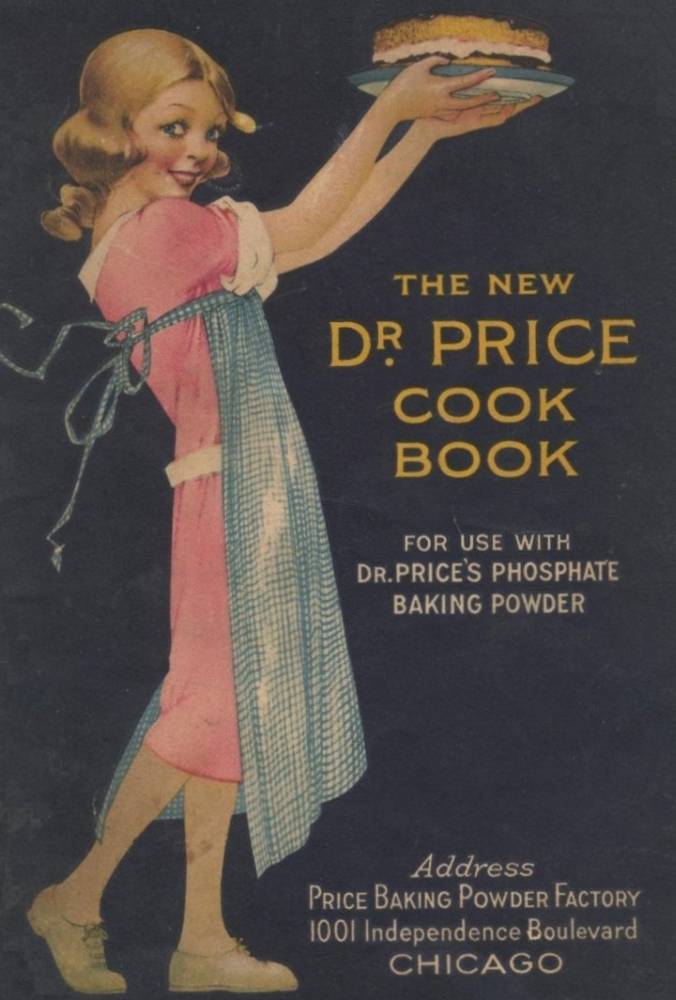 The above link is courtesy of Gutenberg. org
Dr. Price Cook Book (The New)
The above link is courtesy of Gutenberg. org
(1908)
The above link is courtesy of Gutenberg. org
(1890)
Butterick Publishing
The above link is courtesy of Gutenberg. org
The above link is courtesy of Gutenberg. org
(1910)
The above link is courtesy of Gutenberg. org
NOTES:
We call recipes, they called receipts.
You will notice there aren't any oven degrees or times. They didn't have the nice ovens we have today.
Thursday, October 10, 2013
Writing Conversation by Eavesdropping
What is eavesdropping?
Wikipedia:
Eavesdropping is the act of secretly listening to the private conversation of
others without their consent.
Kateri:
Eavesdropping is the act of listening to another conversation that you are not
involved in creating.
I love
it. Not for the gossip, but it is nice
to know what is going on, but, for my writing.
Who can write a better conversation that an actual conversation?
Warning! I am not the NSA. I
don’t have any great computer algorithm that will let me listen to telephone
calls, or snoop on emails. I don’t sneak
around people to read their emails.
No. This is not what I do!
How to Eavesdrop.
·
Don’t
be overly dramatic; just perk up your ears.
·
Don’t
ask people to repeat what they said!
·
Don’t
ask a friend what was said in another conversation; at least wait until the
people have left. (I do this with my
husband. He has a hearing problem, so I
like to inform him of conversations he has missed.)
·
Definitely
don’t stare!
·
Look
like you are doing something else. Maybe
you are a college student with a textbook in front of you writing down
everything that is said.
·
Don’t
give any suggestion that you are writing about someone, they could get really
mad, or offended, or worse.
Where to Eavesdrop
Maybe I
should title this Where Not to Eavesdrop.
Coffee shop, library, café, train station, bus terminal, airport, department
stores (in a specific section), washrooms!
Yes, some of my best stuff came from a washroom.
Eavesdropping for Writing
Write down
exact words or phrases if possible.
Write down
the person’s description, especially mannerisms.
Make sure
not to use real names or places when you write by the odd chance someone reads
what you wrote about them. Yikes!
Did you hear that? LOL
Kateri
Wednesday, October 9, 2013
Book Author: No Experience Necessary

How to start:
- Pick up a pen (or pencil)
- Grad a blank piece of paper
- Write about your lunch.
:-)
Not an English major?
Neither was John Grisham, Kurt Vonnegut, Danielle Steele, JK Rowling, or Michael Crichton.What did all of these authors have in common? They wrote about topics they knew with an extra touch of spice to make it interesting.
This is the first idea to begin your writing. It doesn't need to be War and Peace, it can be 10 sentences. But write what you know.
Write about your lunch.
Write a couple sentences about your lunch.Write about that same lunch somewhere exotic, like a small island in the South Pacific.
Write about that same lunch on an island served with coconut water in a coconut shell.
Keep adding to the same idea, and after a couple thousand words, voilà, you have a book.
You are a book author with no experience!
 What's the trick?
The trick is to keep writing. It can be daunting sometimes, husband, kids, animals, work, school, and just living your life. 
Most Importantly
Believing in yourself!The rest you can Google.
:-)
Kateri
Subscribe to:
Posts (Atom)